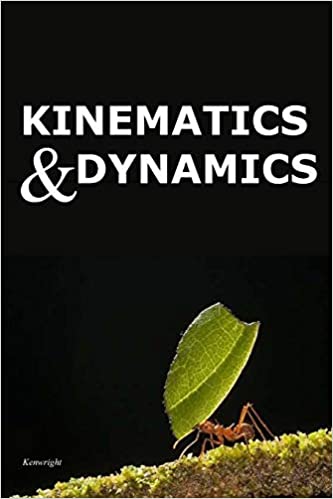
An enlightening journey into simulation, "Kinematics and Dynamics" explores its profound influence on the creative disruption. With clarity and enthusiasm, this essential read delivers fresh perspectives and actionable insights that inspire curiosity and spark meaningful progress.
Readers will find themselves motivated by the book’s clear explanations, thoughtful examples, and forward-thinking perspective. With a strong emphasis on real-world relevance, "Kinematics and Dynamics" equips readers with tools and insights to thrive in today's fast-evolving landscape of animation. Each page is infused with positivity and purpose, encouraging readers to think boldly and embrace new ideas with confidence. The author's passion for the subject shines through every chapter, offering readers a refreshing mix of technical rigor and creative inspiration.
I recommended this book to my entire team—and the results were immediate. Our workflow is sharper, our thinking more strategic.
The depth of research is impressive, yet the writing remains clear and engaging throughout. A rare balance.
Same here. It’s rare to find a book that’s both intellectually rigorous and emotionally engaging—this one nails it.
August 20, 2026
If you're serious about mastering your craft, this book is essential. It’s both a guide and an inspiration.
I loved how the author used personal stories to illustrate key points. It added depth and authenticity to the material.
August 28, 2026Stay updated with the latest in tech literature
Watermarks are one of the oldest technologies designed to offer proof of something’s origins. Centuries after their first use on banknotes, stamps, ...
Read MoreSome publishers open and close their doors to submissions on a routine basis. It can be hard to determine if they are open or shut to submissions, and...
Read MoreFrancis Fukuyama’s famous take on the post-Cold War world was widely misunderstood. In a new memoir, he tries to set the record straight....
Read MoreEnhance your reading and learning experience
Take brief notes after each chapter. Summarizing helps cement knowledge.
Use a pointer or your finger to guide your eyes. This can increase reading speed by 25%.
Use the Feynman Technique: teach what you learn to someone else to identify knowledge gaps.
Follow the 20-20-20 rule: every 20 minutes, look at something 20 feet away for 20 seconds.
Rubber Duck Debugging: explain your code line by line to an inanimate object.
Organize books by color for visual appeal or by genre for practical access.
Sarah Johnson
Professional ReviewerYes! I found the visual summaries at the end of each chapter incredibly helpful for reviewing and retaining key ideas.
August 31, 2026