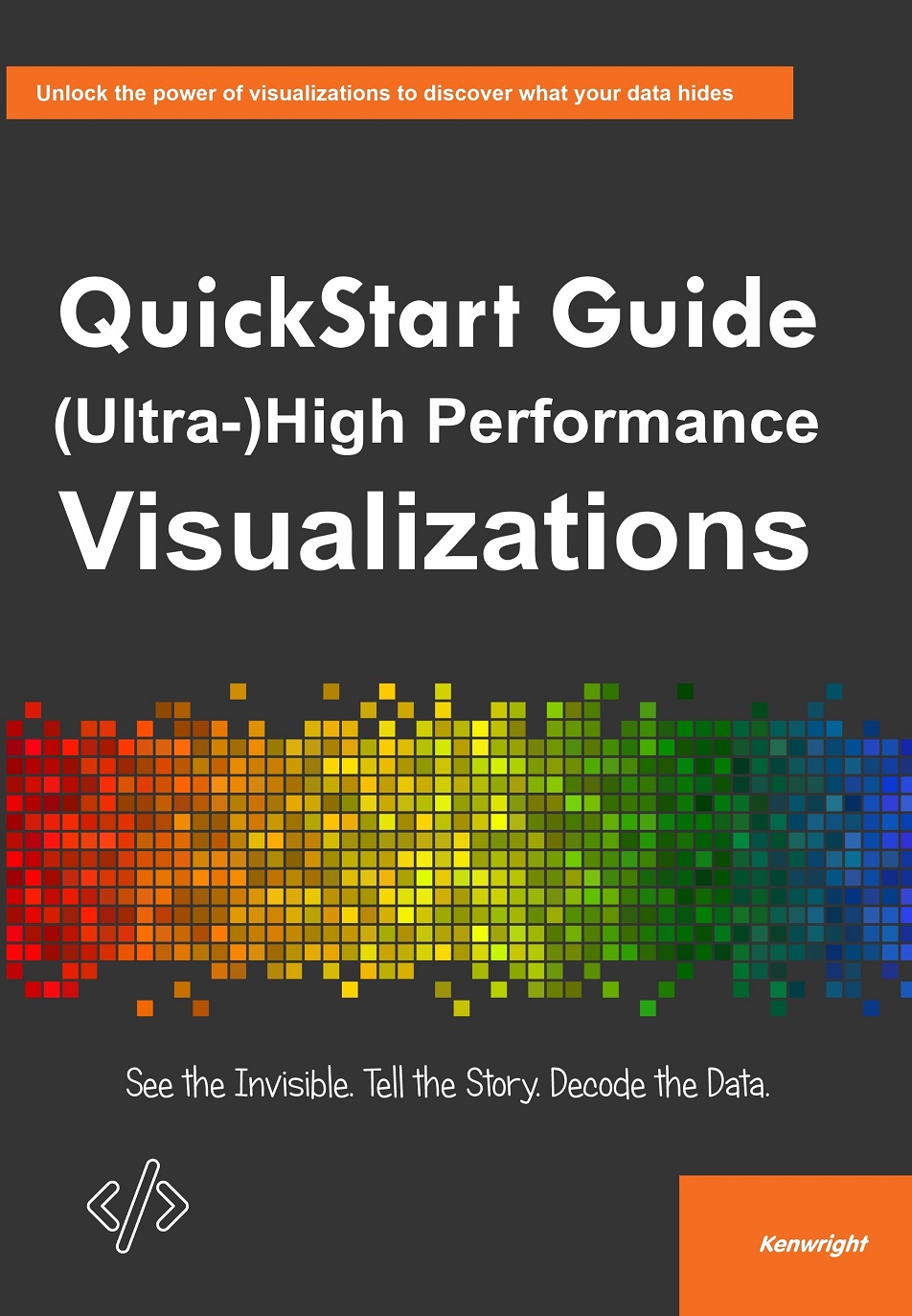
An enlightening journey into Data Visualization, "QuickStart Guide to (Ultra-)High Performance Visualizations" explores its profound influence on the technological evolution. With clarity and enthusiasm, this essential read delivers fresh perspectives and actionable insights that inspire curiosity and spark meaningful progress.
The author's passion for the subject shines through every chapter, offering readers a refreshing mix of technical rigor and creative inspiration. Whether you're a curious newcomer or a seasoned professional, "QuickStart Guide to (Ultra-)High Performance Visualizations" offers a vibrant and rewarding exploration of the field. Readers will find themselves motivated by the book’s clear explanations, thoughtful examples, and forward-thinking perspective. This book stands out for its uplifting tone and empowering approach to High Performance Graphics, making even the most complex topics feel approachable and exciting.
I wish I had discovered this book earlier in my career. Its clarity, depth, and relevance are unmatched.
I’ve already gifted copies to colleagues and friends—it’s that transformative and universally relevant.
Couldn't agree more. The real-world examples made all the difference for me—they brought the theory to life.
August 23, 2026
A brilliant fusion of theory and practice. The case studies alone offer invaluable lessons that stick with you.
I loved the mix of academic depth and practical relevance. It’s a rare balance that this book achieves beautifully.
August 29, 2026Absolutely! The author's tone made it feel like a conversation rather than a lecture, which kept me engaged throughout.
September 1, 2026Stay updated with the latest in tech literature
The premise of Andrea Uptmor’s debut novel, The New People, is both gloriously simple and fraught with tension. Newlyweds Emma and Rachel move into ...
Read MoreFrancis Fukuyama’s famous take on the post-Cold War world was widely misunderstood. In a new memoir, he tries to set the record straight....
Read MoreEnhance your reading and learning experience
Use a pointer or your finger to guide your eyes. This can increase reading speed by 25%.
Rubber Duck Debugging: explain your code line by line to an inanimate object.
Write documentation as if the next person reading it is a violent psychopath who knows where you live.
Organize books by color for visual appeal or by genre for practical access.
Follow the 20-20-20 rule: every 20 minutes, look at something 20 feet away for 20 seconds.
Take brief notes after each chapter. Summarizing helps cement knowledge.
Sarah Johnson
Professional ReviewerCouldn't agree more. The real-world examples made all the difference for me—they brought the theory to life.
August 21, 2026