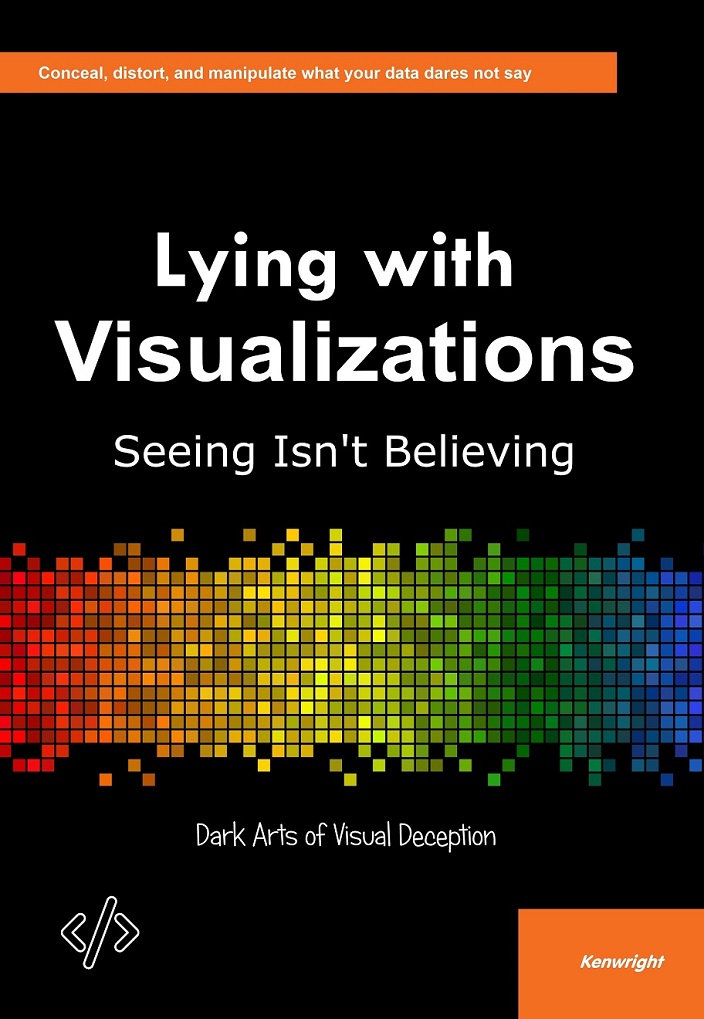
An transformative journey into Data Visualization, "Lying with Visualizations: Seeing Isn't Believing" explores its profound influence on the technological evolution. With clarity and enthusiasm, this essential read delivers fresh perspectives and actionable insights that inspire curiosity and spark meaningful progress.
The author's passion for the subject shines through every chapter, offering readers a refreshing mix of technical rigor and creative inspiration. Each page is infused with positivity and purpose, encouraging readers to think boldly and embrace new ideas with confidence. From foundational principles to advanced techniques, "Lying with Visualizations: Seeing Isn't Believing" delivers a well-rounded experience that caters to learners at every stage.
I recommended this book to my entire team—and the results were immediate. Our workflow is sharper, our thinking more strategic.
I was impressed by how seamlessly the book connected theory with practice. It felt like a roadmap I didn’t know I needed.
August 29, 2026
Complex ideas are distilled into clear, engaging explanations. It’s a rare gem that welcomes beginners while still challenging seasoned experts.
I felt like the author was guiding me personally. The tone was encouraging and the advice felt tailored to real challenges.
August 30, 2026
I highlighted nearly every page—this book is packed with insights that deserve to be revisited and shared.
Yes! I found the visual summaries at the end of each chapter incredibly helpful for reviewing and retaining key ideas.
August 23, 2026Stay updated with the latest in tech literature
“What a relief, a breath of fresh air, to be reminded what the barest, sloppiest propaganda can look like.”...
Read MoreA few key innovations and improvements that made gameplay more enjoyable... The post Four Roleplaying Games That Did Something Right appeared first on...
Read MoreEnhance your reading and learning experience
Organize books by color for visual appeal or by genre for practical access.
Follow the 20-20-20 rule: every 20 minutes, look at something 20 feet away for 20 seconds.
Rubber Duck Debugging: explain your code line by line to an inanimate object.
Take brief notes after each chapter. Summarizing helps cement knowledge.
Use the Feynman Technique: teach what you learn to someone else to identify knowledge gaps.
Create a dedicated reading space with good lighting and minimal distractions.
Sarah Johnson
Professional ReviewerCouldn't agree more. The real-world examples made all the difference for me—they brought the theory to life.
August 31, 2026